
Choosing the best time to visit Fajardo for your priorities
The best time to visit Fajardo depends on whether your main goal is a beach day, a boat excursion or an evening at Laguna Grande. The regional climate record offers a useful starting point: January to March has comparatively lower rainfall than several other parts of the year. That makes this period a reasonable first choice for an itinerary built around outdoor time, while leaving the actual forecast to decide each day.
This is a planning judgement drawn from NOAA's Roosevelt Roads normal values for 1991 to 2020, not an official designation of a best season. The station is a regional coastal reference outside Fajardo. The complete figures and their definitions are on the Fajardo weather page. Use that table for the measurements and this page to decide how they relate to your activities.
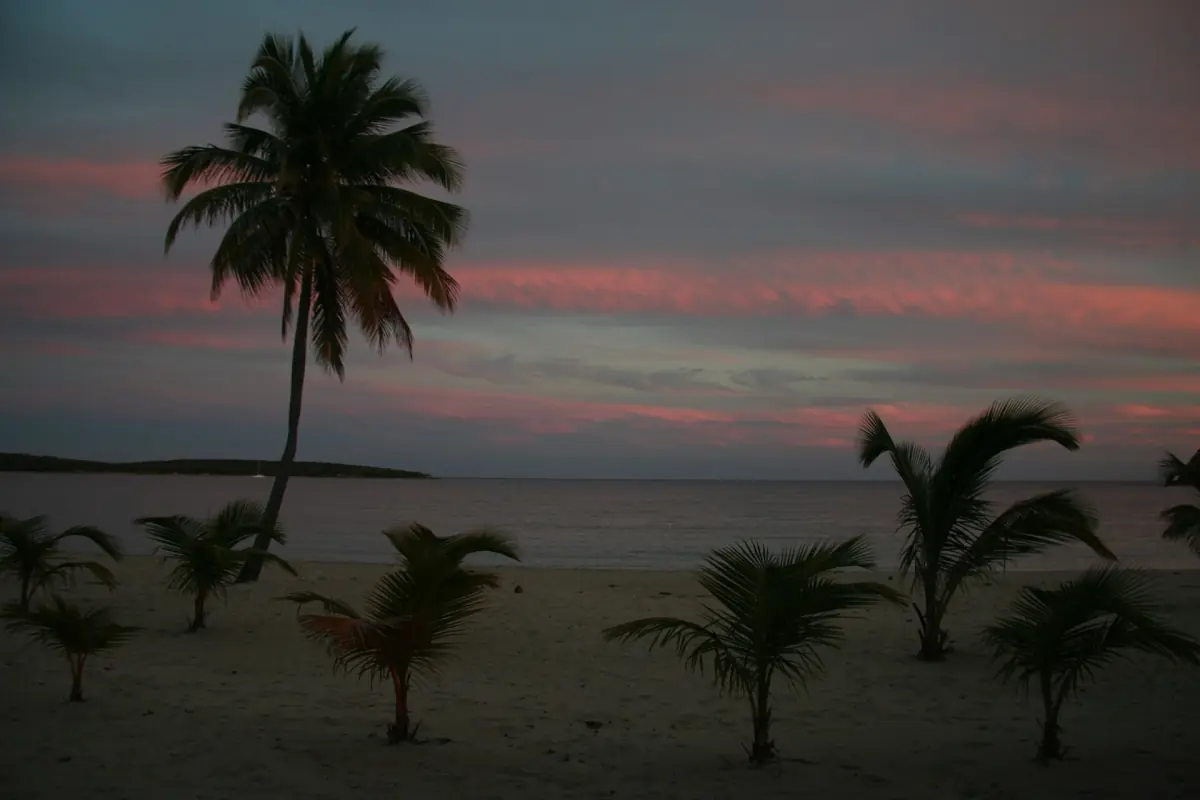
January to March: a comparatively drier starting point
If your dates are flexible and you mainly want time outdoors, begin by considering January, February or March. The reference record supports describing these months as comparatively drier. It does not support calling them rain-free, promising a particular sea state or treating every morning as suitable for a crossing. Keep some flexibility between a beach visit and a planned excursion.
For a stay with both water activities and sightseeing, identify the booking that matters most before filling the remaining time. A boat trip and a visit to Seven Seas Beach have different practical constraints. Open-water swell, local beach warnings and weather-related cancellations remain relevant even in a month with lower average rainfall.
An evening on the lagoon
This double-kayak outing offers an evening activity; natural visibility varies.
Hand-picked tours, booked through Viator. Prices are indicative starting prices in US dollars (as of October 2026). Tap a tour for live availability and the current price in your currency.
Plan a Laguna Grande evening around your dates
An evening paddle with double kayaks, backrests, paddles, life jackets and snacks; allow for check-in 30 minutes before departure.
May and September to November: allow room to adjust
The regional normal values show higher rainfall in May and again from September through November. A higher monthly amount does not tell you when a shower will arrive, so it should influence the flexibility of an itinerary rather than dictate a fixed wet-day schedule. Avoid making every outdoor plan depend on the same narrow window, particularly when a boat outing is the main reason for your visit.
The Atlantic and Caribbean hurricane season is 1 June to 30 November. This is a seasonal planning consideration, not a prediction that your dates will be affected. Follow current storm information as the trip approaches and allow for activity changes when weather or sea conditions require them. Outside the formal season, conditions still need the same daily attention. Safe crossings and calm beach conditions depend on the day itself.
Moon phase is a separate decision for Laguna Grande
For a bio bay evening, choose the month and the night as separate decisions. Darker nights around the new moon are recommended for seeing the natural light, while bright full-moon conditions can make it harder to perceive. Weather also influences visibility. The light comes from microscopic organisms responding to movement in the water; it is not a permanent blue surface that will look identical on every visit.
A guided evening reservation is the practical way to plan this experience. The outing featured here lasts 90 minutes and starts inside Kayak Village in Fajardo, with check-in 30 minutes before departure at the yellow awning. Double kayaks with backrests, paddles and life jackets are included, along with snacks. Put that earlier check-in into the day's schedule rather than arriving at the published departure time. For detailed lagoon planning, read the Laguna Grande bio bay guide.
December as a year-end transition
December sits just after the formal hurricane-season window and before the comparatively drier January to March period in the regional record. Treat it as its own part of the transition rather than assuming it shares the same rainfall pattern as the following months. The climate table on the weather page gives the December reference values without turning them into a forecast for your chosen week.
Decide which activity anchors your December visit, then keep the same planning sequence used at any other time: regional climate, current weather, actual departure and a workable return journey. For an evening paddle, arrange where you will go afterwards; the accommodation guide explains how to connect a stay to the tour address. For a sea trip, follow the crew's instructions on life jackets and accept that weather may change the destination or prevent departure. This leaves room for natural conditions to guide the final decisions on each day.
Frequently asked questions
Which months are comparatively drier?
January to March has comparatively lower rainfall in the NOAA Roosevelt Roads regional normal series. This supports a planning preference for outdoor visits, while rain and unsettled sea conditions remain possible.
Is the driest month also the best night for bioluminescence?
Month and moon phase answer different questions. Darker nights help with viewing, while weather and the natural light intensity still vary. Choose the evening separately from the broader travel period.
Is December outside hurricane season?
The formal Atlantic and Caribbean season ends on 30 November. December still needs current weather and sea-condition checks; the seasonal end is not a promise of calm conditions.